Hot Drinks Costs in UK Hospitality – What H2 2026 Looks Like
Food price inflation fell to 3.0% in the 12 months to April 2026, down from 3.7% in March, according to the ONS. For buyers managing a hot drinks programme, the headline figure is misleading. Coffee, cocoa, dairy powder, and energy are each moving on a different schedule. Several of those movements are pointing in the same direction, upward, and most have not yet reached the contracts being invoiced now.
This article sets out where the main input costs for UK food service hot drinks stand heading into H2 2026, and what procurement teams should do with the current window before those pressures transmit.
Why the eased food inflation figure does not describe your cost base
The ONS figure captures a broad basket of food and non-alcoholic beverages across consumer retail. It is a lagged measure: the prices it records reflect supply chain decisions made months earlier. When wholesale energy or commodity costs rise, food manufacturers absorb the increase for weeks or months before it moves into the products they supply to food service buyers.
The NIQ and Prestige Purchasing Foodservice Price Index recorded a 1.4% month-on-month fall in food and drink costs in March specifically. The analysts behind it described the dip as the “eye of the storm” and warned that crude oil price increases driven by the Near East conflict will feed through UK supply chains over coming months. The typical gap between a commodity or energy shock and its appearance in a wholesale food service contract is three to six months.
Buyers who interpret the current figures as the start of a sustained easing are working from the wrong model.
What arabica’s re-pricing means for your coffee spend in H2
Coffee spent most of 2024 and early 2025 in a supply crisis. Arabica futures rose approximately 80% between early 2024 and early 2025, driven by drought in Brazil and reduced output in Vietnam. The International Coffee Organisation projects a gradual decline through 2026 and into 2027 as supply conditions recover, and prices have eased from their peak. Commodity analysts broadly agree, however, that prices will not return to 2020 or 2021 levels. Coffee has re-priced at a structurally higher base.
For food service buyers managing a coffee programme, benchmarking against 2022 prices is no longer useful. The relevant question for 2026 H2 is whether your current contracts reflect current supply conditions (which are easing) or whether you are still paying rates set at or near the peak. Buyers on annual contracts negotiated in Q3 or Q4 2025 may be overpaying relative to today’s market.
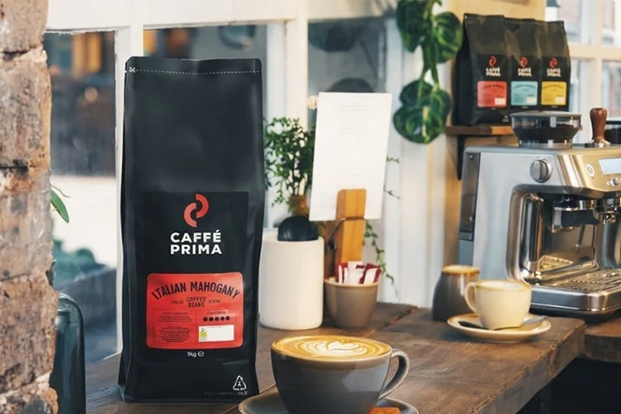
Supply chain length is the other factor. Coffee roasted overseas and imported into the UK carries commodity price risk, foreign exchange risk, and freight cost risk on top of the green bean price. UK roasters buying green beans and roasting domestically carry a more transparent and shorter cost chain. Aimia manufactures across the UK hot drinks market, and its Caffé Prima wholesale coffee beans range supplies food service buyers with UK-roasted beans within a maximum six-week roast-to-delivery window and no minimum order commitment, a structure that reduces both supply chain exposure and overstock waste.
What increased cocoa prices mean for hot chocolate and malt drink contracts
Cocoa prices are falling from the record highs they reached in early 2024, but the fall has been slower and less complete than the rise was steep. For buyers sourcing hot chocolate, drinking chocolate, or malt-based drinks, the supply chain is still carrying input costs substantially above where they were two or three years ago. Any cocoa-intensive product line whose contracts were last negotiated before the price spike carries a different cost reality today.
Aimia manufactures Galaxy Hot Chocolate and Horlicks under licence in the UK, and has direct visibility of how cocoa input costs are moving through the category. The picture is one of gradual improvement from extreme levels, not a return to the cost base that buyers would have seen in 2022 or 2023.
Buyers reviewing hot chocolate or malt drink supply agreements in H2 2026 should ask their supplier directly: what proportion of your current contract price reflects current cocoa spot prices versus the increased costs your business absorbed in 2024? Suppliers who have not updated their procurement models since the peak may be holding costs that have not come down with the market.
One further point: blended hot chocolate products that combine cocoa with dairy powder and other ingredients are somewhat insulated from pure cocoa price moves. Understanding which commodity is dominant in your specific product’s cost structure matters more in a volatile period than it does when costs are stable.
What dairy powder markets mean for vending and hot drinks programmes
AHDB’s April 2026 dairy market review records farmgate milk prices at 35.05 pence per litre in March, down 2.4% month-on-month, with further falls expected through the summer flush as high global milk production keeps fresh dairy markets under pressure.
Dairy powder behaves differently from fresh dairy benchmarks. Skimmed milk powder (SMP), which is the processed dairy input relevant to vending products, powder-based cappuccino mixes, and hot drinks programmes, remains comparatively firm at the wholesale level. Global demand for SMP is consistent and clears through a different buyer base from fresh dairy, which means the farmgate milk headlines do not translate directly into better costs for dairy-powder-dependent products.
Buyers who track butter or cheddar prices as a proxy for their hot drinks dairy costs are tracking the wrong market. The relevant benchmark is the SMP market. That distinction matters both for benchmarking current supplier pricing and for understanding what conditions would need to change to see meaningful input cost reductions in this part of the category.
Why energy is the H2 2026 risk that cuts across every category
The Near East conflict has pushed crude oil prices materially higher since Q1 2026. UKHospitality has written to the government setting out six targeted measures to support hospitality businesses, describing the situation as one where operators cannot absorb another wave of cost increases without intervention.
Energy appears at every stage of a hot drinks supply chain: industrial roasting, spray-drying for powder products, blending, packaging, and logistics. A rise in crude oil prices makes every energy-intensive production stage more expensive. This is the mechanism behind the “eye of the storm” characterisation. The March cost easing captured prices from contracts negotiated before the current energy increase. The costs now being absorbed by manufacturers will feed through to wholesale food service pricing in Q3 and Q4.
Energy exposure is a relevant due diligence question in supplier review. How energy-intensive is your supplier’s core process? Are they on fixed contracts or variable pricing? A manufacturer with domestic production and a short distribution chain has a materially different energy cost profile from a supplier importing finished goods from overseas, and the difference will be visible in their pricing stability over the coming months.
How the April 2026 wage increase sets a new cost floor for every supplier
The National Living Wage rose to £12.71 per hour from April 2026, a 4.1% increase on the previous year’s rate. UKHospitality estimates that wage increases across the sector add £1.4 billion to operating costs in 2026. Unlike commodity costs, labour costs do not correct when supply conditions improve. They set a new floor.
Every manufacturer, distributor, and operator in the food service supply chain is absorbing the same wage increase. Procurement teams that have not updated their cost models to reflect April 2026 rates are working from numbers that no longer hold. This is most significant when benchmarking categories where labour intensity is high: blending and packing, fresh preparation, and any category involving substantial manual handling.
What procurement teams should do in this window
The current period of eased food inflation gives buyers a short window to review contracts and push for adjustments where market conditions support it. Coffee is the clearest example: arabica prices have fallen materially from their 2025 peak, and buyers still on peak-era contracts should be testing whether their supplier will pass through the reduction. Cocoa has fallen but remains higher relative to 2022, making it worth asking suppliers whether any of that movement has reached their pricing. Dairy powder is firm and unlikely to move meaningfully lower in the near term.
Energy costs from the Near East conflict are working through supply chains now and will arrive in buyer contracts in Q3 and Q4. Labour costs are fixed at their new level.
The procurement teams who use this period to lock in current conditions where the market gives them leverage will be in a better position when the next cost wave lands.
Sources Cited
- ONS, Consumer Price Inflation UK April 2026: https://www.ons.gov.uk/economy/inflationandpriceindices/bulletins/consumerpriceinflation/april2026
- International Coffee Organisation, coffee supply chain and price data: https://www.ico.org
- AHDB, April 2026 dairy market review: https://ahdb.org.uk/news/april-2026-dairy-market-review
- UKHospitality, energy support campaign and sector cost data 2026: https://www.ukhospitality.org.uk
- GOV.UK, National Minimum Wage rates: https://www.gov.uk/national-minimum-wage-rates